November 10, 2026
The durability of metal roofing has made it a staple choice for homeowners seeking long-lasting roofing solutions. Unlike traditional materials that frequently require replacement and upkeep, metal roofs offer a blend of efficiency and resilience. Understanding the characteristics that contribute to the longevity of metal roofs can help homeowners make informed roofing decisions. Their ability to withstand years of exposure to the elements also makes them a worthwhile investment for many property owners. With the right materials, installation, and maintenance, a metal roof can provide reliable protection for generations.
Choose High-Quality Materials and Protective Coatings
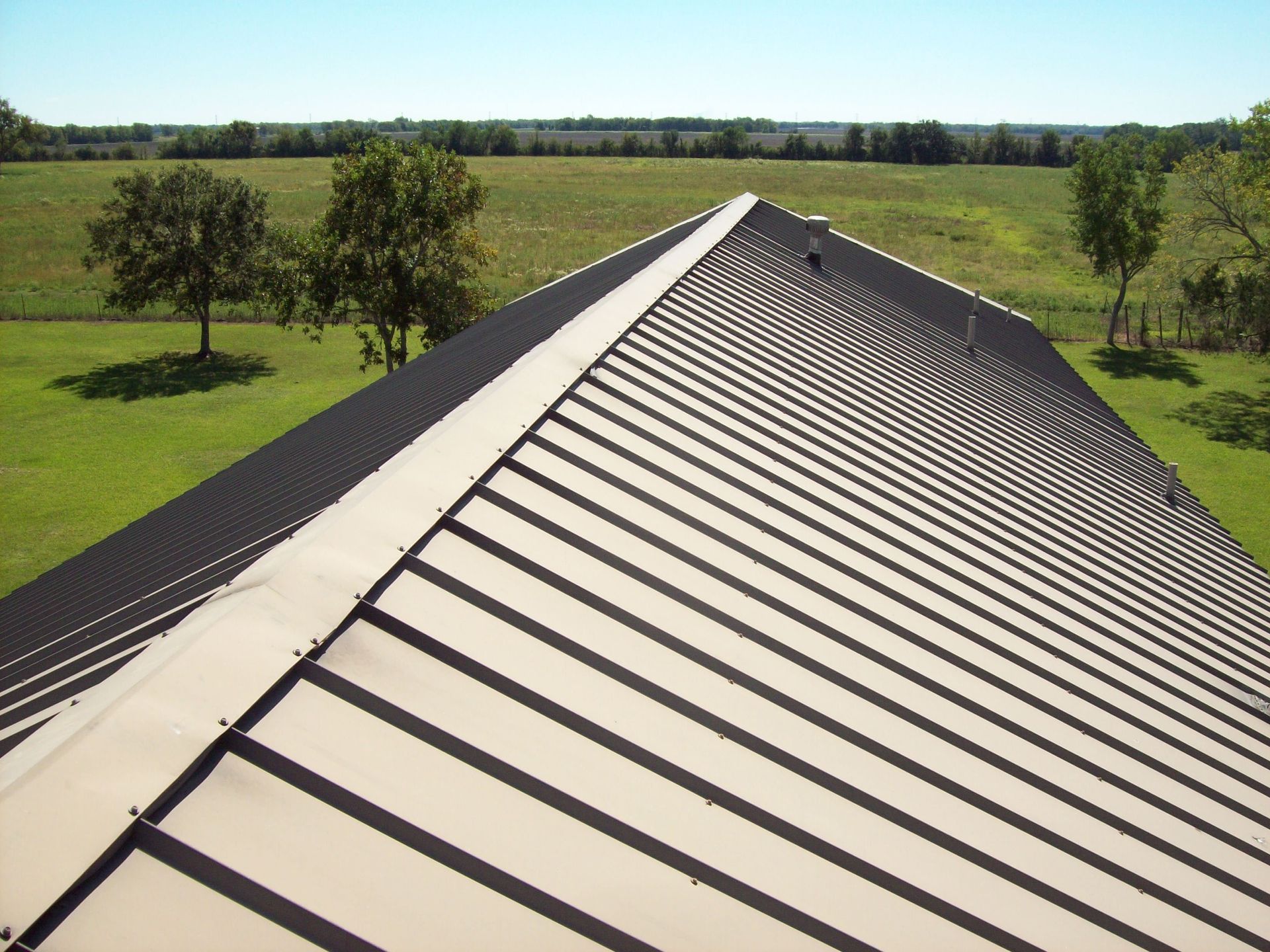
One of the primary reasons metal roofs are so enduring is the quality of the materials used. Metals like aluminum, steel, copper, and zinc are commonly employed in metal roofing. These materials are known for their robustness and ability to withstand adverse environmental conditions, which significantly extends the life of the roof. Each metal offers different advantages, allowing homeowners to select an option that best suits their property's needs. Choosing a high-quality material from the beginning can help minimize future repair and replacement expenses.
The inherent strength and resistance of metal make it a favored choice even in regions prone to extreme weather conditions. Metal roofing is naturally resistant to cracking and shrinking, which are common issues with other roofing materials. This innate resilience contributes greatly to its lifespan, which can range from 30 to over 80 years, according to HomeGuide. Additionally, metal panels can withstand strong winds and heavy precipitation when properly installed. This makes them a dependable option for homeowners who want roofing materials capable of handling changing weather patterns.
Longevity is further enhanced by the use of coatings and finishes. Protective coatings help shield the metal from rust and corrosive elements, ensuring that the roof not only lasts longer but also retains its aesthetic appeal. Additionally, these coatings can offer reflective properties that reduce heat absorption. Many modern finishes are also designed to resist fading, chipping, and other forms of surface deterioration. By selecting an appropriate coating, homeowners can preserve both the appearance and performance of their metal roofing system.
Prioritize Professional Installation Techniques
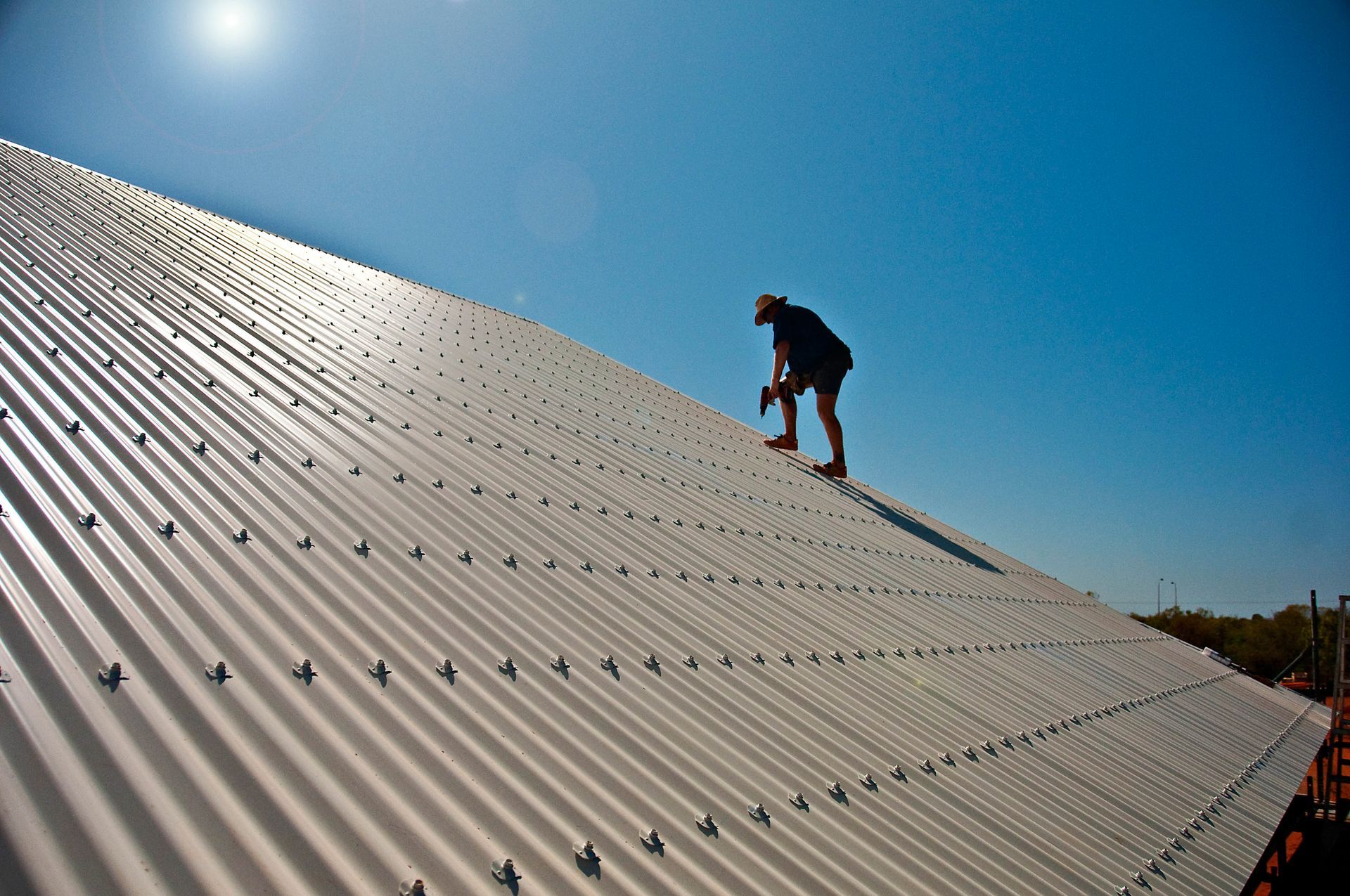
While the material itself plays a significant role in durability, proper installation is crucial to maximizing the lifespan of metal roofing. Professional installation ensures that all aspects of the roof, from fastening to seaming, are handled with expertise. This prevents future issues that could compromise the roof's integrity and adversely affect its lifespan. Experienced contractors also understand how different metal roofing systems should be installed based on their specific designs and materials. Their attention to detail helps create a dependable roofing system that performs as intended.
Techniques like secure fastening and appropriate seaming ensure that the roof remains intact through various environmental changes. This is critical because improper installation can lead to leaks, reduced efficiency, and premature wear. Professional installers also have the knowledge to ensure that the underlayment, which acts as a secondary barrier, is correctly laid out. Proper placement of flashing around chimneys, vents, and other roof openings is equally important for preventing water intrusion. These details help protect vulnerable areas and maintain the overall strength of the roofing system.
Common installation mistakes, such as using the wrong type of fastener or inadequate sealing, can drastically reduce the longevity of a metal roof. Avoiding these errors requires expert knowledge and precision. Therefore, investing in a professional installation is not just an upfront cost but a long-term investment in the roof's lifecycle. Contractors can also identify potential structural concerns before beginning the project, helping prevent complications later. Homeowners should prioritize qualified roofing professionals who have experience working with the specific type of metal roofing they intend to install.
Maintain Your Roof With Regular Inspections
Regular maintenance is a key component in ensuring that a metal roof meets or exceeds its expected lifespan. Simple maintenance activities, such as regular cleaning, can prevent the buildup of debris and other materials that can trap moisture and lead to corrosion. A clean roof is less likely to suffer from these issues, ensuring that it remains functional for decades. Removing leaves, branches, and other debris also helps maintain proper drainage throughout the roofing system. Homeowners should pay particular attention to areas where debris tends to collect, such as valleys and gutters.
Scheduling regular inspections allows homeowners to address minor repairs before they become major problems. Inspections help identify signs of wear and potential vulnerabilities, allowing for timely interventions. By focusing on proactive maintenance, homeowners can significantly extend the lifespan of their metal roofs. During these evaluations, professionals can check for loose fasteners, damaged flashing, and deteriorating sealants. Addressing these concerns early can help prevent costly water damage and protect the underlying roof structure.
Protective treatments and coatings play an important role in ongoing maintenance. Many of these treatments are designed to add an extra layer of protection against environmental factors that can cause corrosion and degradation. As such, they are a valuable addition to a comprehensive maintenance strategy. Over time, certain coatings may require touch-ups or reapplication to maintain their protective properties. Following the manufacturer's maintenance recommendations can help homeowners determine when additional treatments are necessary.
Consider Roof Design and Engineering
The design and engineering of a metal roof have considerable implications for its longevity. The slope of the roof and the angles at which it is constructed determine how well it will handle factors like rain runoff and snow accumulation. A well-engineered roof design will maximize its ability to shed water and reduce stress elements. Proper drainage is especially important because standing water can contribute to deterioration around seams and other vulnerable areas. A carefully planned roof structure also helps distribute weight more effectively during periods of heavy snowfall.
Ventilation and proper airflow within the roofing system are vital for maintaining its structural integrity and efficiency. Good ventilation helps reduce moisture build-up, which can lead to rust or other forms of damage. Proper engineering ensures that airflow is optimized, significantly extending the roof's lifespan. Adequate ventilation can also help regulate attic temperatures throughout the year. This reduces the risk of excessive heat and moisture affecting other components of the roofing system.
Improve Energy Efficiency and Environmental Sustainability
Metal roofing is celebrated not only for its durability but also for its environmental benefits. Energy efficiency is a significant draw for many homeowners, as metal roofs reflect solar heat, reducing cooling costs in summer months. The potential for improved insulation also enhances this energy efficiency. These reflective qualities can help maintain more comfortable indoor temperatures when paired with an appropriately designed insulation system. Over the years, reduced energy consumption may also contribute to meaningful household savings.
Metal roofs help mitigate the urban heat effect, a growing concern in densely populated areas. By reducing heat absorption and reflecting UV rays, metal roofing contributes to a cooler urban environment. This makes it an attractive option for environmentally-conscious consumers looking to make a positive impact. When installed on multiple homes and buildings, reflective roofing materials can help reduce the amount of heat absorbed by developed areas. This benefit supports broader efforts to create more energy-conscious and sustainable communities.
Metal roofing offers homeowners a compelling mix of longevity, durability, and ecological responsibility. It stands as a leading candidate for those who prioritize sustainability in their home building or renovation projects. By understanding the components that contribute to its endurance, the long-term benefits of investing in metal roofing become clear. Reach out to JSL Home Repair LLC to learn more about our services today.